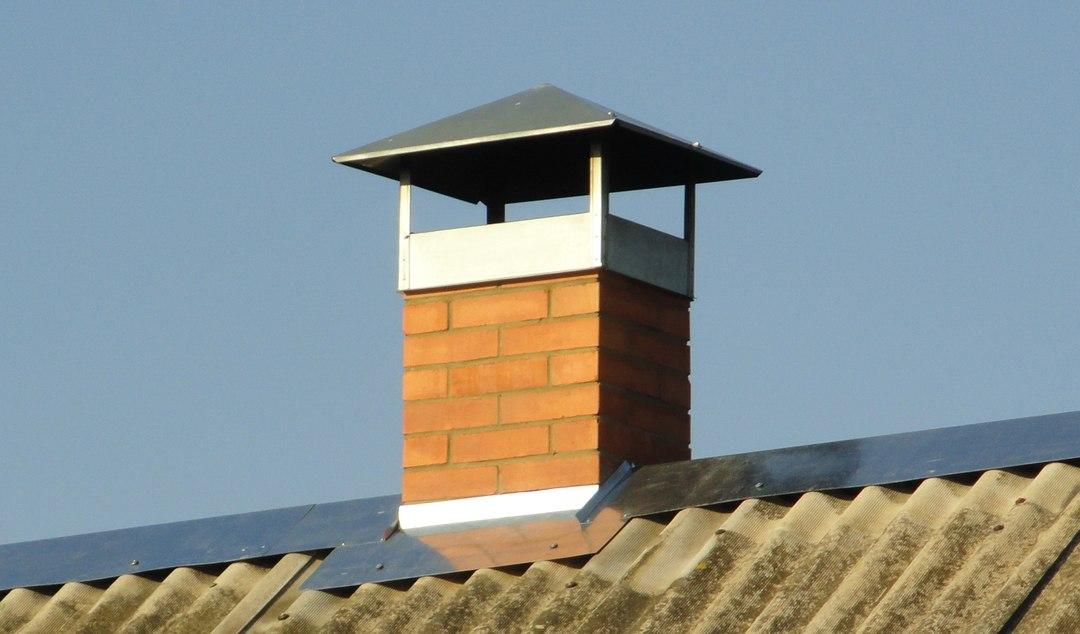
The part of the chimney you never see
From the street, a chimney looks finished at the top. Up close, the top is where most trouble starts. It takes direct sun all summer, rain all winter, ash and leaves when the Santa Ana winds blow, and the odd bird or raccoon looking for a dry place to nest. Three parts do the work of keeping all that out, and new owners rarely know which ones their house has.
This post explains the three, in plain terms, and what sets the price of each with Thurston Chimney Sweep. It is written for owners in Arcadia and nearby who have just had a report come back with one of these words on it.
Three parts, three jobs
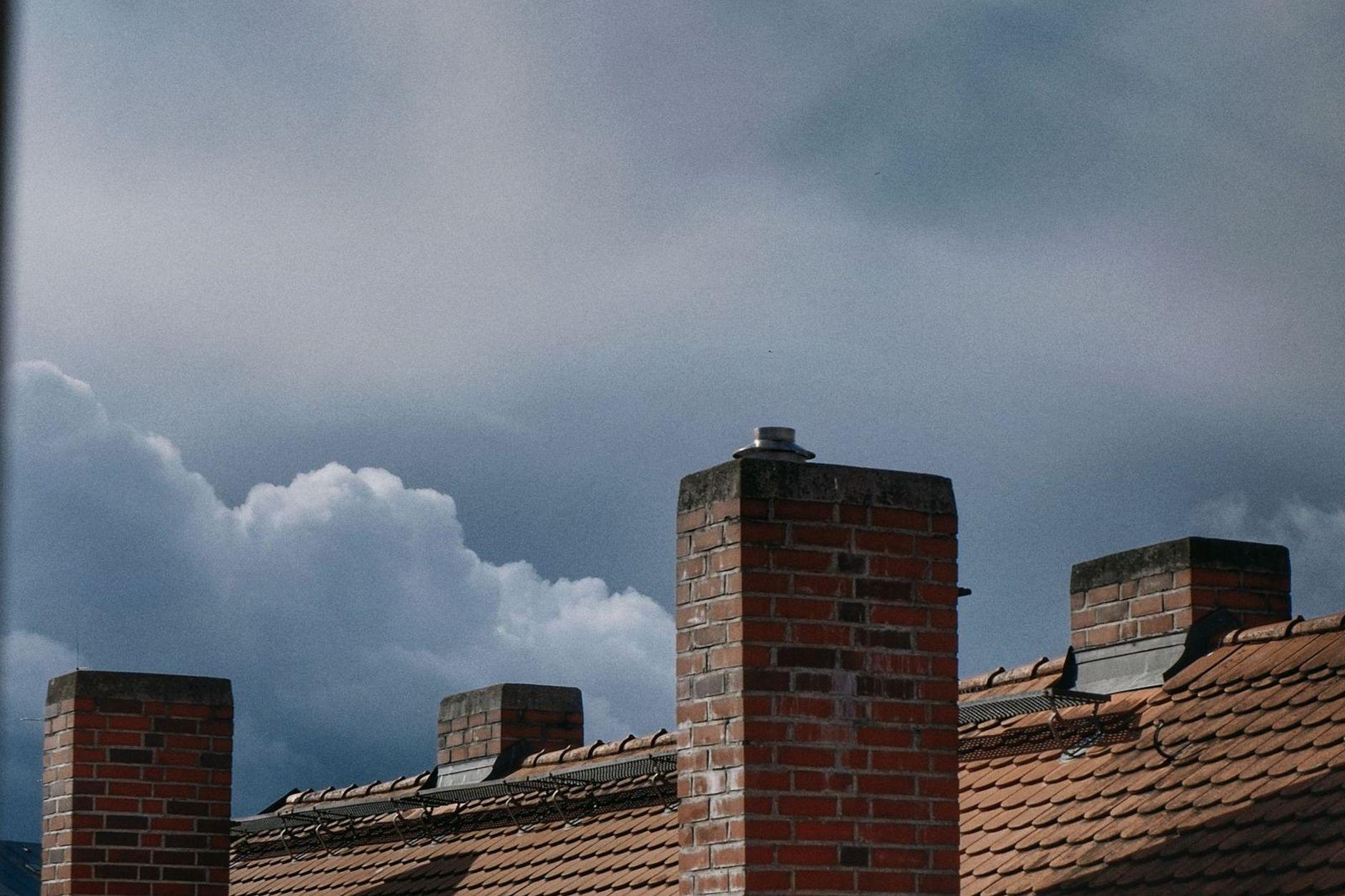
The crown sits on top of a brick or stone chimney. It is a slab of cement or concrete that covers the brick around the flue. Rain that lands on it should run off, not soak in. A well-built one leans outward, reaches a little beyond the brick on each side so water drops from its edge instead of streaking the wall, and leaves a small flexible joint where it meets the flue tile, because tile and concrete swell by different amounts when hot.
The cap is the metal hood over the opening of the flue itself. It keeps rain from falling straight down the chimney, stops leaves and animals from getting in, and the mesh sides catch sparks before they reach the roof. Both brick and metal chimneys have one, or should.
The chase cover is the metal pan on top of a factory-built chimney. These chimneys are a metal flue pipe inside a wooden box framed to look like masonry, called the chase. The cover seals the top of the box. Where a crown would be on a brick chimney, a chase cover sits on a metal one.
How to tell which one your chimney has
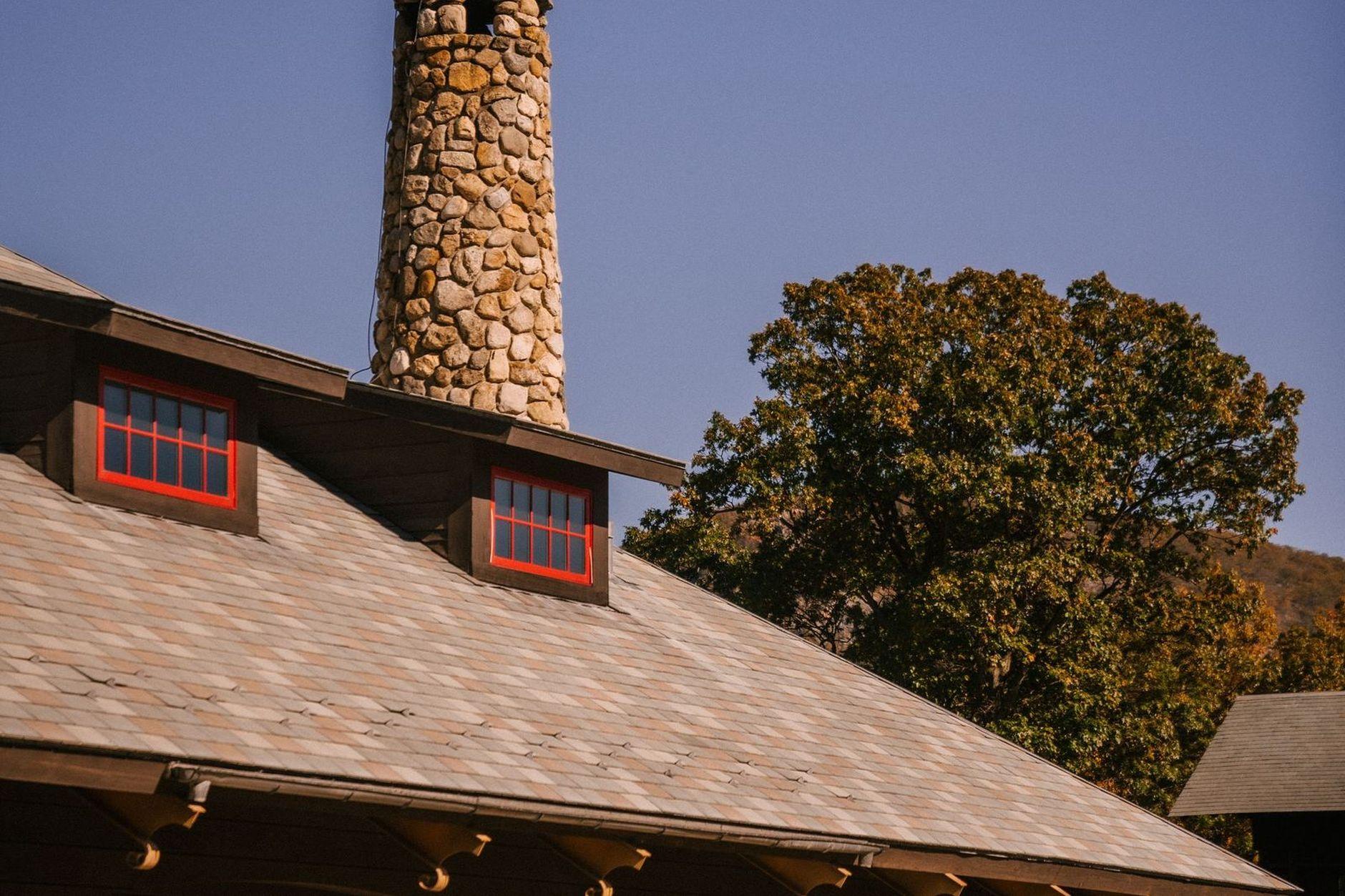
Look at the outside of the chimney from the yard. If it is brick, block or stone all the way up, you have a crown. If it is covered in siding or stucco that matches the house, and the house was built from the 1970s on, it is probably a chase with a metal cover. Both have a cap on top of the flue.
What goes wrong with each
Crowns crack. Many were poured thin, or mixed from the same mortar that holds the bricks, which is not made to sit in the weather. Heat from summer days, cold winter nights and old quake damage open hairline cracks. Water then soaks into the brick, rusts the damper below and stains the ceiling next to the fireplace.
Caps go missing or rust through. A strong wind takes a loose cap off the roof. A cheap one rusts and the mesh falls apart. Once it is gone, rain falls straight onto the damper and debris fills the smoke shelf.
Chase covers rust and sag. Many older covers are thin galvanised steel. They rust, dip in the middle and hold a puddle of water that drips through the seams into the chase. The wood framing inside then rots, sometimes for years before anyone notices.
How each one is priced
| Part | Typical job | Price |
|---|---|---|
| Crown | Seal hairline cracks, or pour a new crown | Quoted in writing after measuring |
| Chase cover | New cover cut to the chase | Quoted in writing after measuring |
| Inspection of all three | Part of a Level 1 or Level 2 | $56 or $400 |
| Cap | New stainless cap, fitted to the flue | Quoted after we measure |
Caps differ because flues come in several sizes and shapes, and a chimney with two or three flues may need a single wide cap over all of them. The crown and the chase cover are quoted from measurements because no two are the same size, and the work changes a lot between sealing a crack and breaking out an old crown to pour a new one.
The written quote depends on three things: the size of the top of the chimney, whether the current part can be repaired or must come off, and what the water has already done below it. Send photos of the top of the chimney from the ground or a window, and say what the report flagged. Upload those through the form so we can plan the visit. The written quote follows once we have been on the roof.
When the problem is lower down
Sometimes the top is fine and water still comes in. That usually points to the flashing, the metal strips sealing the joint between chimney and roof, or to the brick itself soaking up rain. On a wide chimney, a cricket, a small peaked roof section on the uphill side, may be needed to split the water around it. A cricket runs $460 to $1,035, or $690 to $1,700 when the flashing is replaced at the same time. Our post on leak, liner and damper repairs covers those.
A note on quakes
A crown is the heaviest single piece on the very top of the chimney, and in a strong shake it is one of the first things to crack or shift. Owners in Arcadia, Sierra Madre and the rest of the foothills live close to the faults that moved in 1991 and 1987. After any shaking you felt, a look at the top of the chimney is sensible before the next fire. For brick chimneys with deeper damage, our seismic retrofit service covers bracing and rebuild options.
Related services and pages
- Chimney crown repair
- Chimney cap installation
- Chimney chase cover
- Chimney waterproofing
- Up to code chimney repairs
If you are still working out what a first visit costs, start with what a first chimney visit costs.
Getting the top of your chimney looked at
We work on chimneys across Arcadia, Sierra Madre, El Monte and San Gabriel. When you want a crew on the roof, the contact page takes your request. Tell us whether the chimney is brick or covered in siding, and we will know which of the three parts to plan for.
Want This Checked at Your House?
Thurston sweeps and inspects your fireplace, names each part as we go, and puts every finding on paper with a photo. We visit owners in Arcadia, Sierra Madre, El Monte, San Gabriel and nearby cities.